

Nelson Mandela Sculpture Bust: An introspective Study
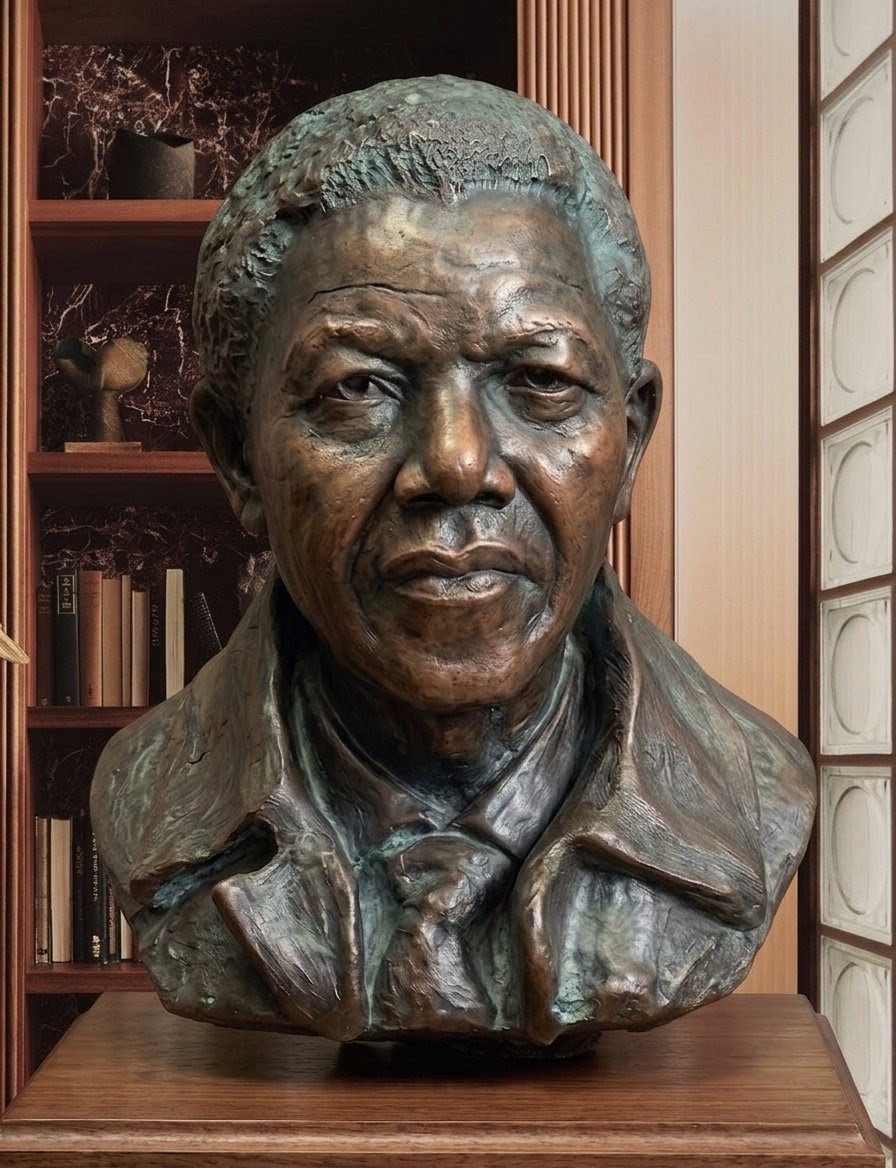
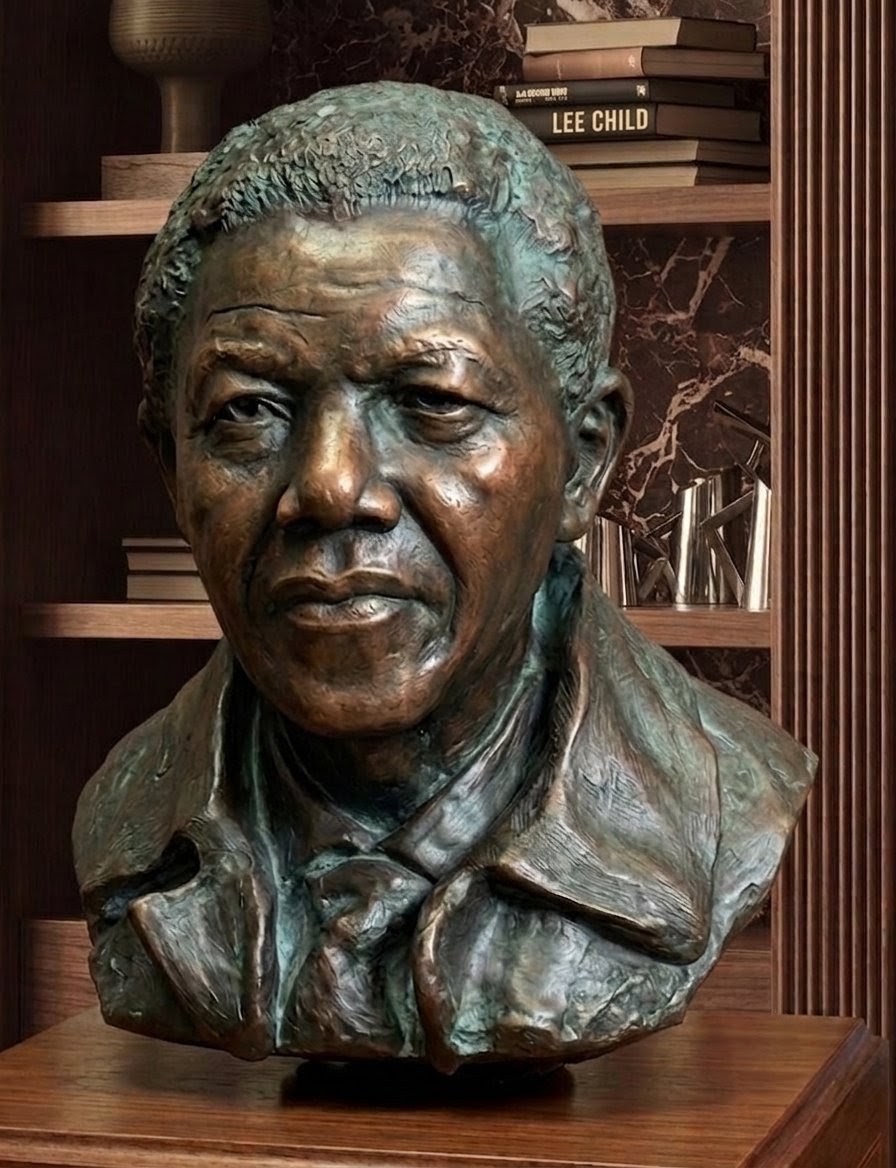
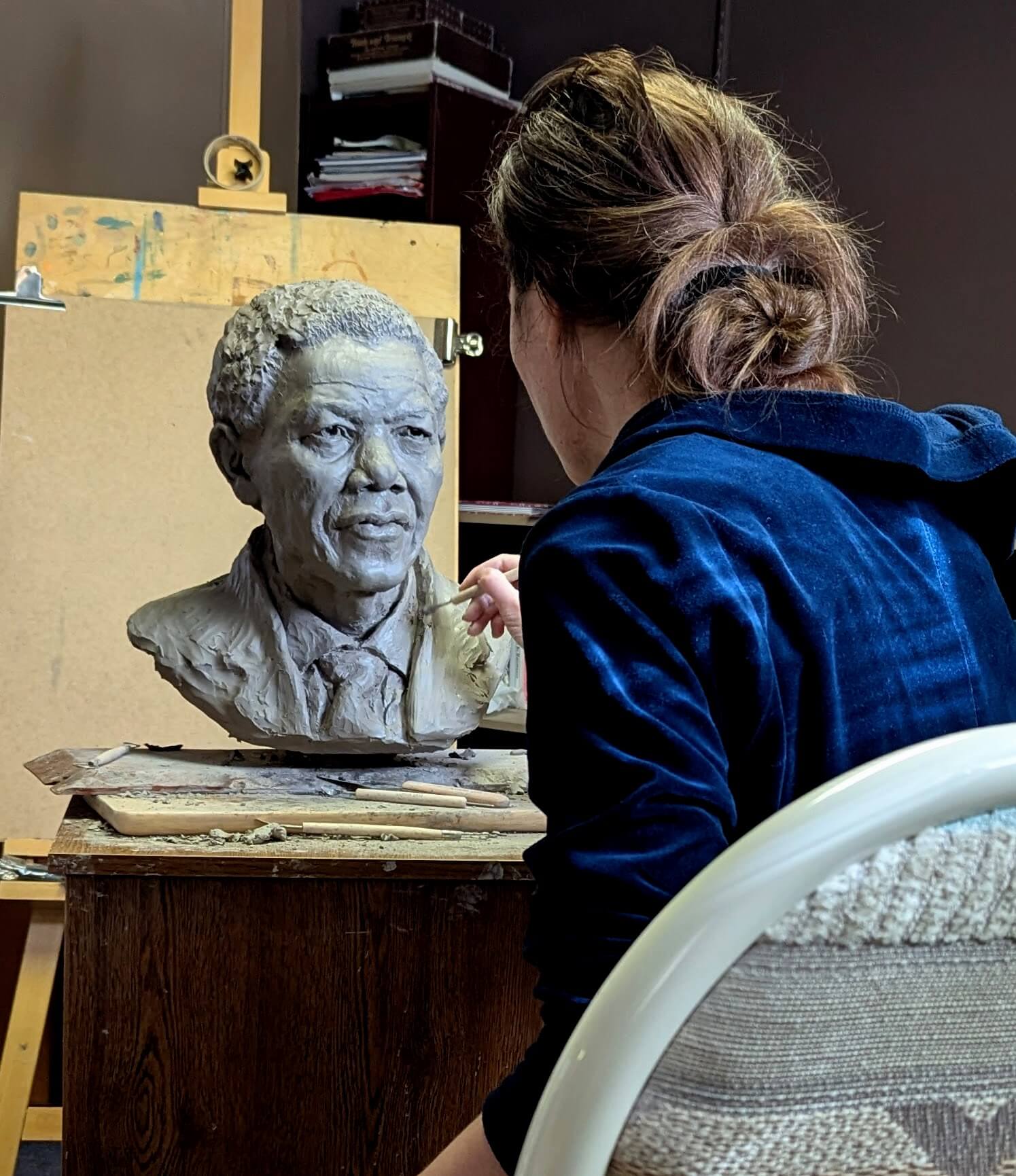
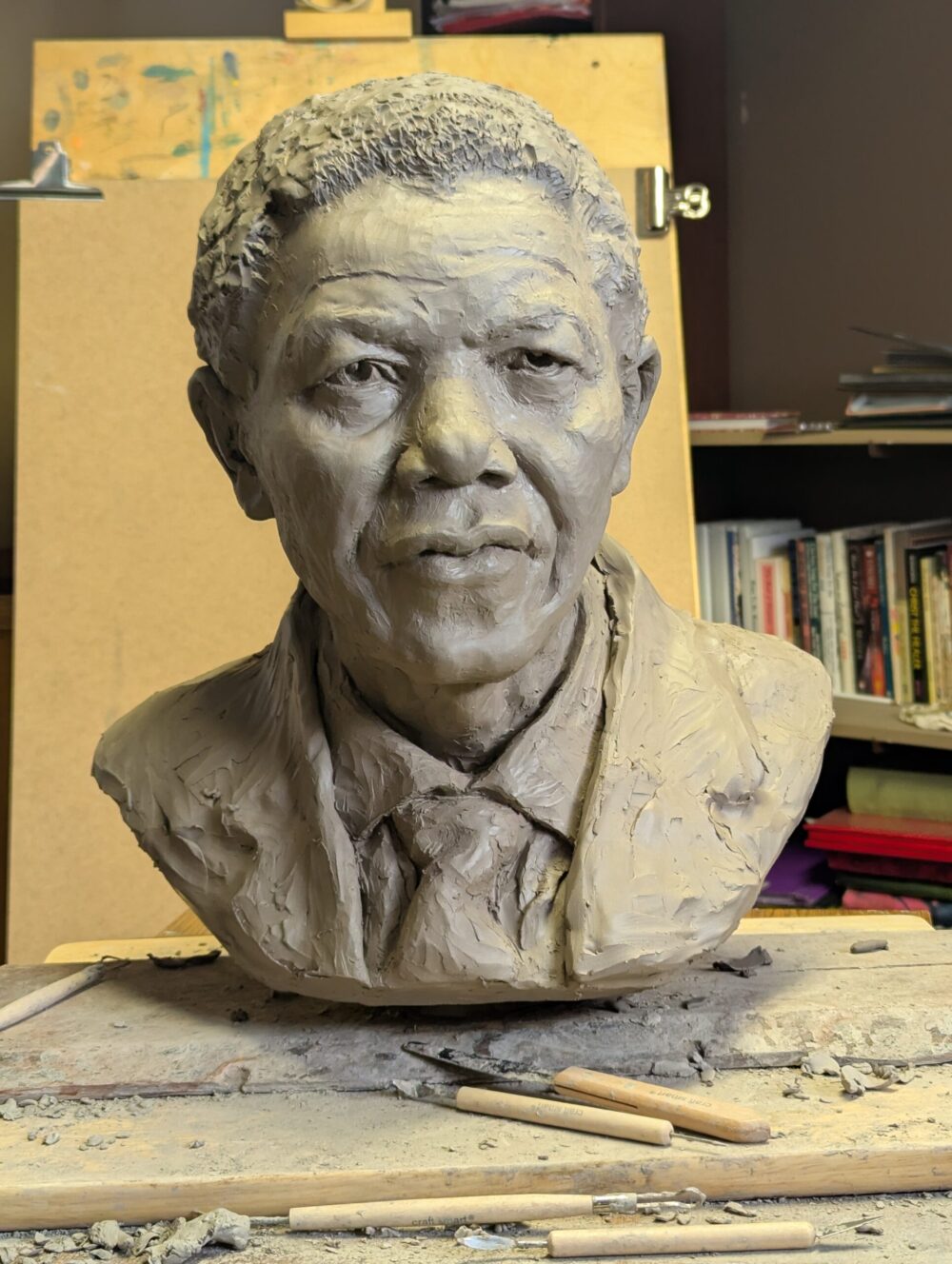
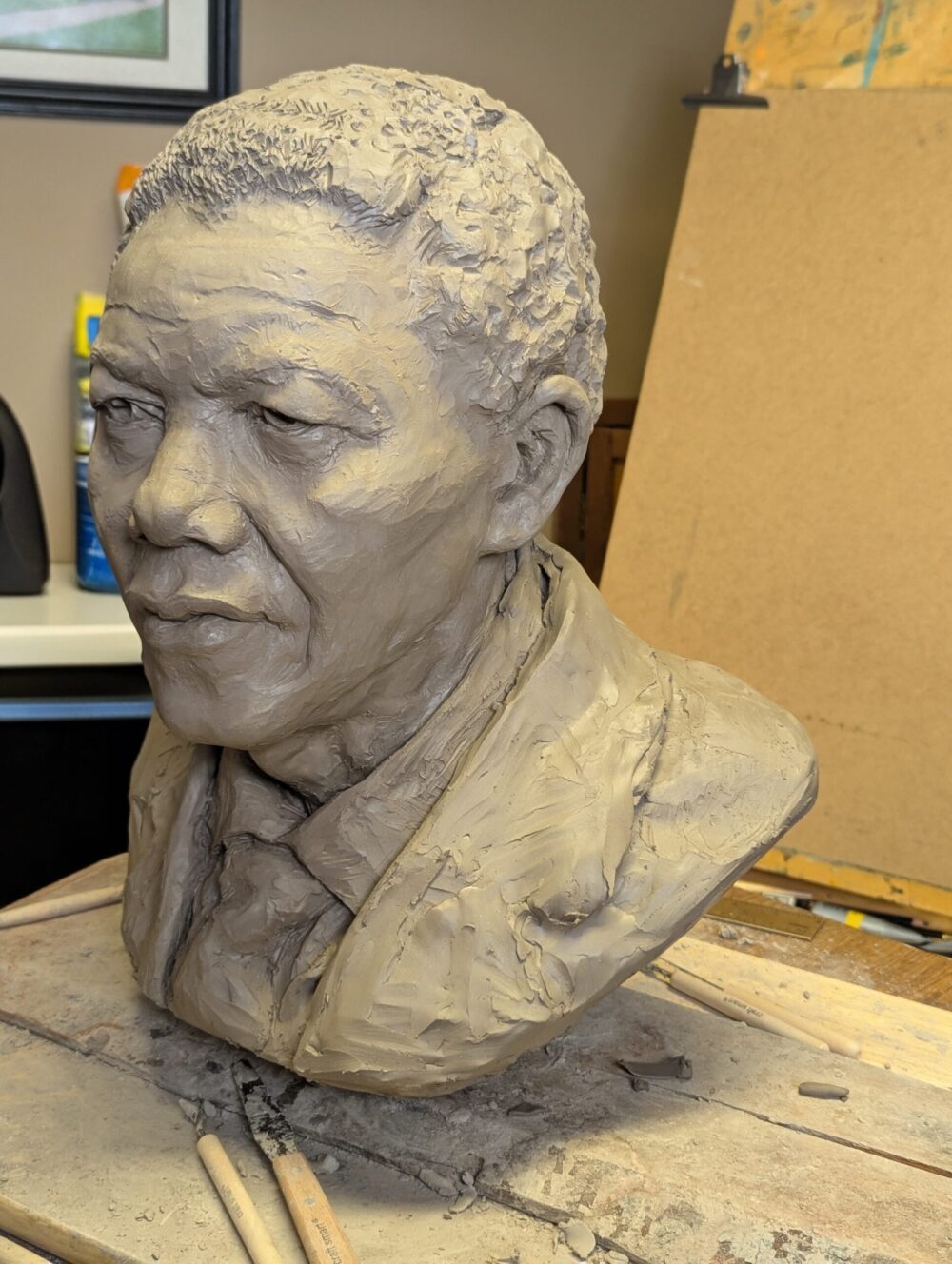
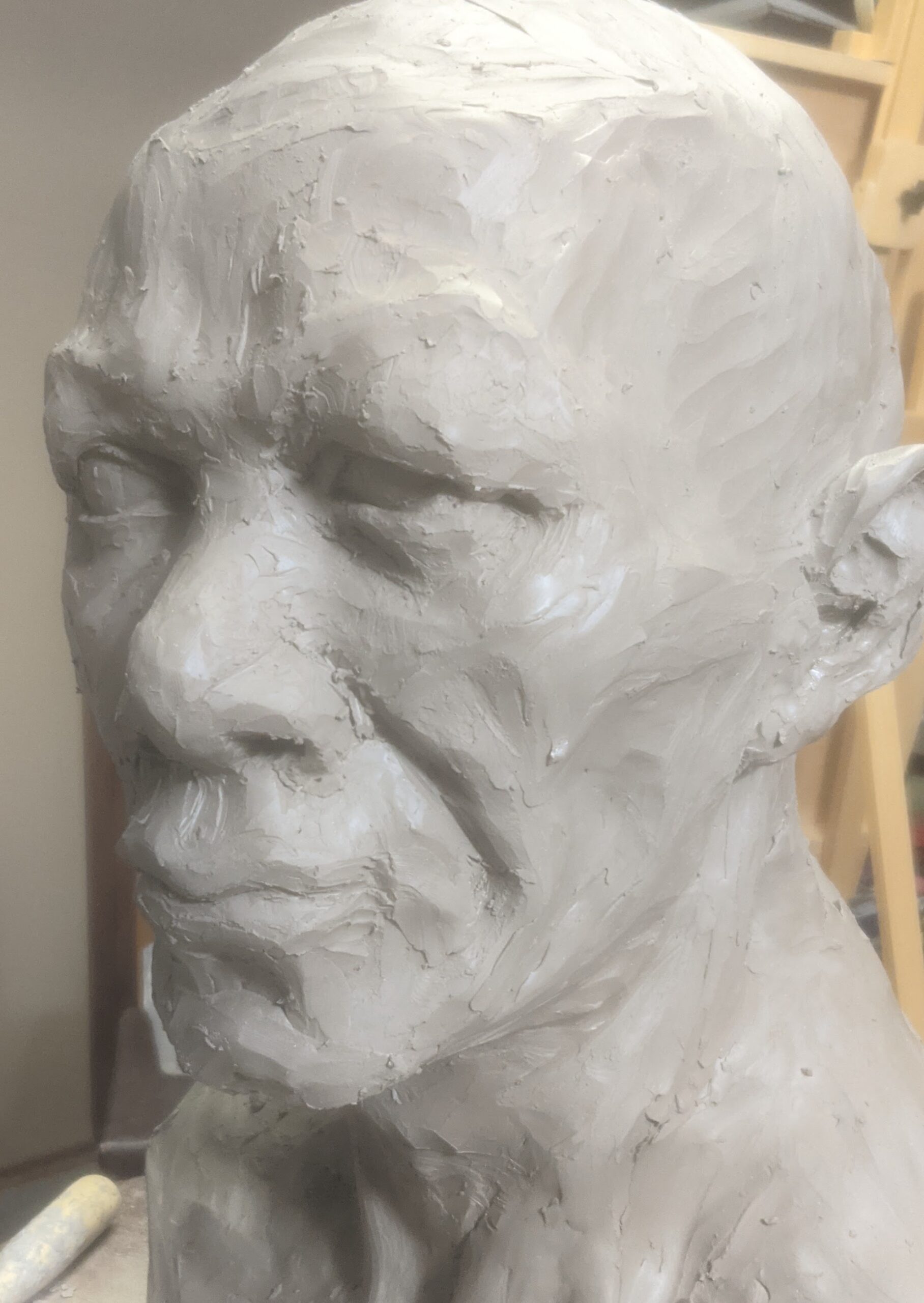
Clay is a vulnerable and malleable medium, and I love the way it connects us to the Story of Creation, when God moulded Adam out of clay. There is a tactile intimacy in it; from warming up the cold hard clay piece to the point where the bust feels like looking and talking back with you, it has the power to echo our own fragility. This process is a dialogue. As I began the work on this Nelson Mandela sculpture bust, the clay became a mirror for the weight of a life defined by extraordinary endurance. In the silence of the studio, I found myself grappling with the very texture of his resolve. I wanted to find the man who sat in the quiet—the man who had to reconcile the rage of his imprisonment with the necessity of his nation’s healing.
Clay allows for a specific kind of ‘unsettling’—a theme central to my upcoming work, Unsettled Uz. Much like the story of Job, which shows how the human spirit can endure even when suffering makes no sense, so too does the story of Mandela. The clay captures the subtle tension in his brow, the weary, yet hopeful, set of his mouth.
I like to use water based clay simply because it is more organic, and it has been used for millennia.
I wanted to transfer the boldness that characterized him into something permanent. Something that can hold space in a room and demand that the viewer stop, listen, and reflect, just the way he was able to when he was alive. After all, that was one of his qualities. Mandela had a rare gift: he could make you look at your own heart simply by being in his presence. It reminds me of how Jesus works—He is the one who truly moves us to look inward, to face our own flaws, and to find the courage to forgive.
The Anatomy of a Soul: Shaping the Nelson Mandela Sculpture Bust
The physical work of the Nelson Mandela sculpture bust demanded a different kind of discipline than I had practiced in years past. When I worked with the wet clay, I was not just building volume; I was attempting to carve out his internal landscape. I focused intensely on the eyes—those windows into his long years of isolation—and the slight curve of his lips. I wanted to capture the look of a man mid-thought, perhaps processing a difficult truth or a memory of a lost friend, rather than a man posing for a formal portrait.
There is a specific technique to achieving this “introspective look.” Slightly misaligned pupils, eyelids carrying just a fraction more weight. A soft brush to softly smoothen the clay.
The Alchemy of Process: From Clay to Cold Cast
Next, the silicone. If I enjoyed the organic feel of the clay, I equally respected the fidelity of the silicone. I found a profound poetic parallel between the technical fidelity of the silicone mould and the loyalty that defined Mandela’s life. The silicone precisely captures every detail without compromise. Of course, Mandela’s loyalty was of a spiritual type, but after all, I can’t help but smile thinking of it.
“If we are faithless, He remains faithful—for He cannot deny himself.” – Timothy 2:13
I am filled with a profound sense of joy and thankfulness. If I am faithless, He remains faithful. I am thankful for being able to work at all, to be able to reflect, even in a small way, the beauty of the Creator who first shaped us.
I often create sculpture busts intended to serve as funeral urns, a responsibility that carries a weight of its own. To sculpt someone’s face knowing that this piece will become a permanent home for their physical essence requires a level of care that goes beyond aesthetics. To provide a vessel that is not merely functional, but deeply human—one that preserves the dignity and character of the person—is the most meaningful contribution I can offer as an artist.
Life is fleeting; clay is impermanent, yet, as artists, we have the unique capacity to challenge that transience. I choose cold-cast resin bronze specifically because it creates an object that is built to endure.
While it is often confused with solid, furnace-cast bronze, cold-cast resin bronze is a different kind of miracle. By suspending genuine, finely milled bronze powder within a durable, high-grade resin matrix, the resulting piece achieves a density and a tactile weight that feels ancient. It has the thermal coolness of metal and the rich, metallic patina that deepens with age, yet it is far more resistant to the environmental stressors that can degrade lesser materials.
There is a powerful spiritual symbolism in this endurance. When a piece is meant to hold the remains of a loved one, it must be a vessel of absolute reliability. It does not crack or warp; it stands its ground.
When I hold a finished piece—feeling the weight of the bronze powder, the smoothness of the resin, and the depth of the patina—I feel a sense of profound stewardship. I am creating something that will not just sit in a room, but something that will hold the history of a person. It is a material that says, “You are remembered.” It is a material that allows for a dialogue between the past and the future, ensuring that the legacy of those I sculpt is not scattered by the wind, but held securely in a form that refuses to be forgotten.
Category:
SculptingDate:
July 10, 2026